Sustainable healthcare does not begin in hospitals — it begins early, in schools and communities.
As India faces a rising burden of lifestyle-related diseases and escalating healthcare costs, the shift from reactive treatment to preventive health screening has become critical. Early identification of health risks in children reduces long-term medical intervention, limits hospital dependency, and supports a more sustainable, cost-effective healthcare ecosystem. For schools preventive health screening is not just a wellness initiative — it is a strategic investment in healthier futures and sustainable healthcare systems.
The Rising Healthcare Challenge in India:
India is facing a growing burden of non-communicable diseases (NCDs) such as heart disease, diabetes, hypertension, and obesity. Recent health screening data from Karnataka showed over 1 crore children screened annually under government programs, reporting millions of cases of dental, anemia, and respiratory conditions — issues often preventable with early intervention.
In Mysuru district alone, a screening under the Rashtriya Bal Swasthya Karyakram (RBSK) revealed approximately 7% of schoolchildren with hypertension, a condition typically considered an adult disease, now emerging early due to poor diet and sedentary lifestyles.
This shift in disease patterns makes a compelling case for systematic, annual preventive screening in schools and communities.
What is Preventive Health Screening?
Preventive health screening involves routine assessments to identify health risks before symptoms appear. In schools, this includes:
These checks help detect issues early, enabling timely interventions that prevent escalation into chronic conditions.
This approach aims to screen school children for over 30 health conditions annually to reduce disease burden and out-of-pocket costs for families.
Early detection saves lives and costs:
Healthcare expenditure increases significantly when conditions are detected late. For example:
- Advanced diabetes often requires long-term medication, specialist visits, and treatment for complications.
- Untreated vision or dental issues can affect learning and quality of life, leading to repeated doctor visits.
By identifying these risks early:
- Schools can support healthy lifestyles that reduce absenteeism and improve academic performance.
- Parents and communities avoid unnecessary medical expenses.
- Healthcare systems experience reduced overload from avoidable hospital admissions.
Preventive screening promotes health awareness in children, helping them adopt healthier behaviors that last a lifetime.
Sustainable healthcare lowers Healthcare Burden:
Fewer hospital visits do more than save money — they lower the environmental burden of healthcare. Hospitals are resource-intensive, consuming large amounts of energy, water, and generating medical waste. Each avoided hospital visit means:
- Reduced travel emissions by caregivers and families
- Decreased use of diagnostic machinery and pharmaceuticals
- Lower generation of medical and plastic waste
Digital preventive solutions like AI-enabled screening and electronic health records (EHR) help streamline data, reduce paperwork, and minimize unnecessary diagnostics — supporting India’s transition to a greener, paperless healthcare future.
Why Schools are the ideal platform?
Schools are not just educational institutions — they are health-promotion hubs. They provide:
- Regular access to children during formative years
- Opportunities to monitor growth and development
- Platforms for health education and behavior change
Annual health screenings can identify health risks early, ensuring that interventions are timely and effective. For example, detecting nutritional deficiencies and obesity risks allows schools to tailor wellness plans, significantly reducing future health complications.
According to public health research, embedding health screening in early education contributes to a stronger, healthier population and creates a demographic dividend that benefits the economy.
Sustainable healthcare and CSR:
Corporate Social Responsibility (CSR) initiatives that focus on preventive health screen children and communities can:
- Improve long-term health outcomes
- Demonstrate measurable social impact
- Contribute to India’s national health goals (e.g., reduced NCD prevalence)
When companies invest in school health programs, they help create healthier future employees, reduce future healthcare costs, and build stronger community trust.
Preventive screening aligns with Environmental, Social and Governance (ESG) goals, creating shared value — healthier students, stronger schools, and sustainable healthcare savings.
Tech-Driven Preventive Screening: The Future of School Health
Advancements such as AI-assisted diagnostics and real-time health tracking make preventive screening more efficient and scalable. These technologies:
- Improve accuracy of risk detection
- Support long-term tracking of health trends
- Enable prompt, personalized care plans
Sustainable healthcare starts with Prevention:
Preventive health screening transforms healthcare from reactive to proactive — catching risks early, reducing healthcare costs, preventing hospital overload, and lowering environmental impact. For school principals and corporate leaders, this isn’t just a health initiative — it’s a strategic investment in future stability, and community well-being.
Every year lost to undiagnosed illness carries a cost — in money, time, and human potential. But every early detection is a step toward a healthier India.
Invest in preventive health today — because prevention isn’t just better than cure, it’s smarter, greener, and more sustainable. Explore our School Health Program.



 Parent Login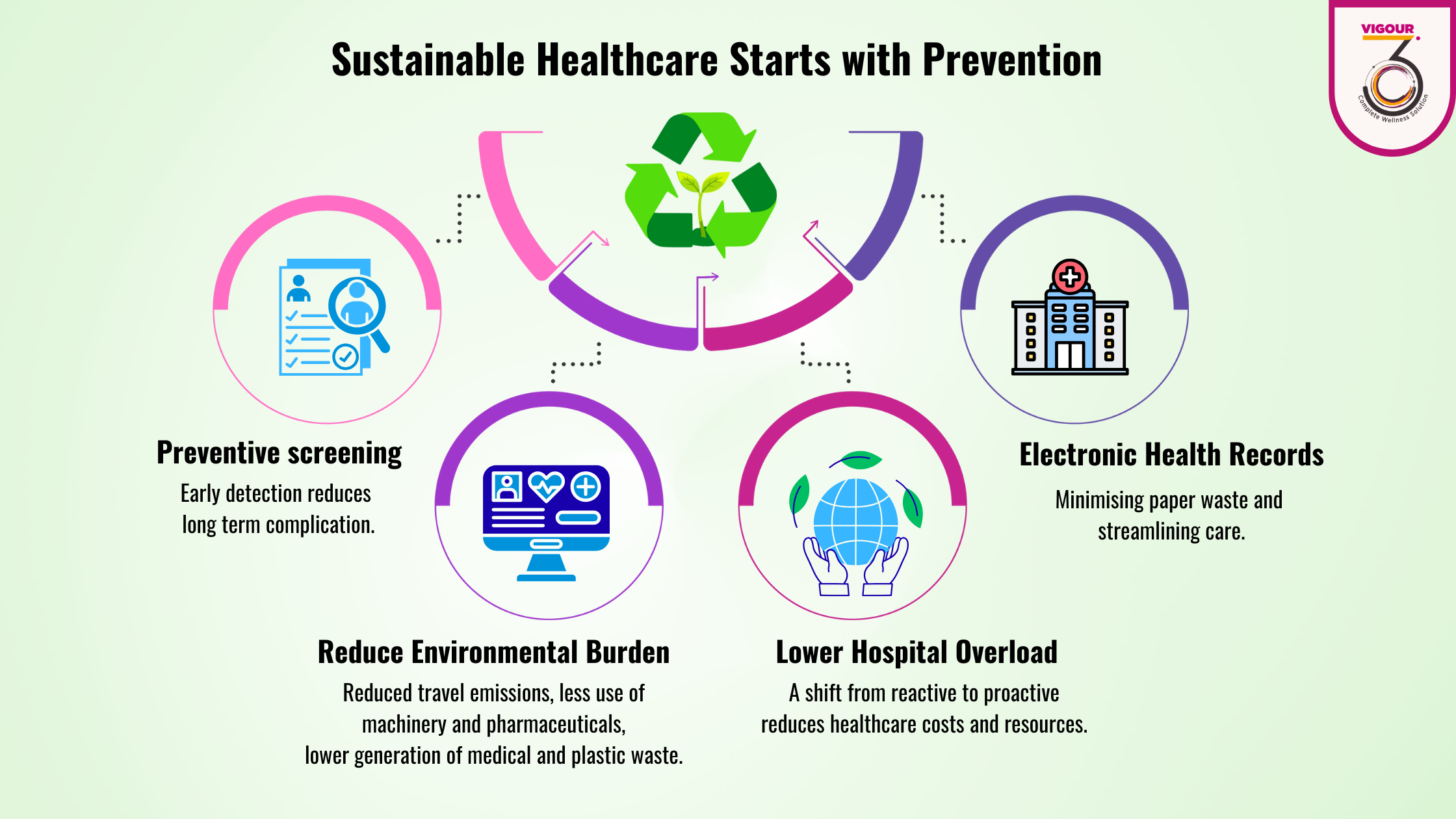
Comments (0)