Over the past decade, there has been a concerning rise in type 2 diabetes among children. One of the major reasons is the easy availability of sugary foods and drinks within the school environment. Today, children consume far more sugar than recommended. Children aged 4 to 10 years now get about 13% of their daily calories from sugar, and those aged 11 to 18 years consume nearly 15%—far exceeding the healthy limit.
Central Board of Secondary Education (CBSE) directed all its affiliated schools to establish "sugar board " to educate students about the dangers of excessive sugar consumption. A colorful poster showing 10 spoons of sugar in one soft drink is now becoming a common sight in Indian schools. These “Sugar Boards” are designed to teach children how much hidden sugar is present in everyday foods like biscuits, packaged juices, flavored milk, and chocolates. It’s a powerful visual lesson—but an important question remains: Is awareness alone enough to change habits?
Why Do Sugar Boards Matter?
Sodas, energy drinks, sports drinks, and fruit drinks – contain added sugars but no nutrition value. These are considered as empty calories. Sugar boards make an invisible danger visible. Children may not understand grams or calories, but they do understand piled-up teaspoons of sugar.
Many schools now use these boards during health classes, nutrition weeks, and morning assemblies to start conversations about junk food, obesity, diabetes, and dental health. This is a big step forward in preventive health education. But learning stops becoming effective when the school environment tells a different story.
Role of School Canteens:
In many schools, the same corridor that displays a sugar board also leads to a canteen selling cold drinks, sugary juices, pastries, chips, and chocolates. This mixed message weakens the impact of awareness.
Progressive schools across India are now taking stronger action by:
- Removing sugar-sweetened beverages
- Limiting fried and ultra-processed foods
- Promoting fruit, sprouts, roasted chana, buttermilk, coconut water, and homemade lemonade
- Introducing “No Junk Food Days” or healthy canteen policies
These simple steps have shown real improvements in student energy levels, concentration, and overall health.
Parents Are a Critical Link:
Even the strongest school policy can struggle if lunchboxes are filled with packaged snacks and sweets. Schools that actively involve parents—through healthy tiffin guidelines, WhatsApp awareness messages, and nutrition sessions—see stronger and longer-lasting results. When schools and parents send the same message, children follow faster.
What Are Other Countries Doing?
Countries like the UK, USA, Chile, and Mexico go beyond awareness. They have strict bans on junk food and sugary drinks in schools, clear food labelling laws, and strong government-led school nutrition standards. These policies have helped reduce sugar intake and lifestyle disorders in children.
The Real Solution: Awareness + Action
Sugar boards are an excellent starting point, but they are not a complete solution. Real change happens when schools combine:
- Strong snack and canteen policies
- Parental involvement
- Student-led health clubs
- Regular health screening and nutrition guidance
Together, these steps help prevent childhood obesity, early diabetes, dental decay, and lifestyle diseases—before they take hold.
Because children don’t need just information. They need a healthy environment to grow in. Vigour360 advanced health checkups detect nutritional deficiencies in schools, facilitate canteen assessment and nutritionist guidance for students. Connect now for healthy school community!



 Parent Login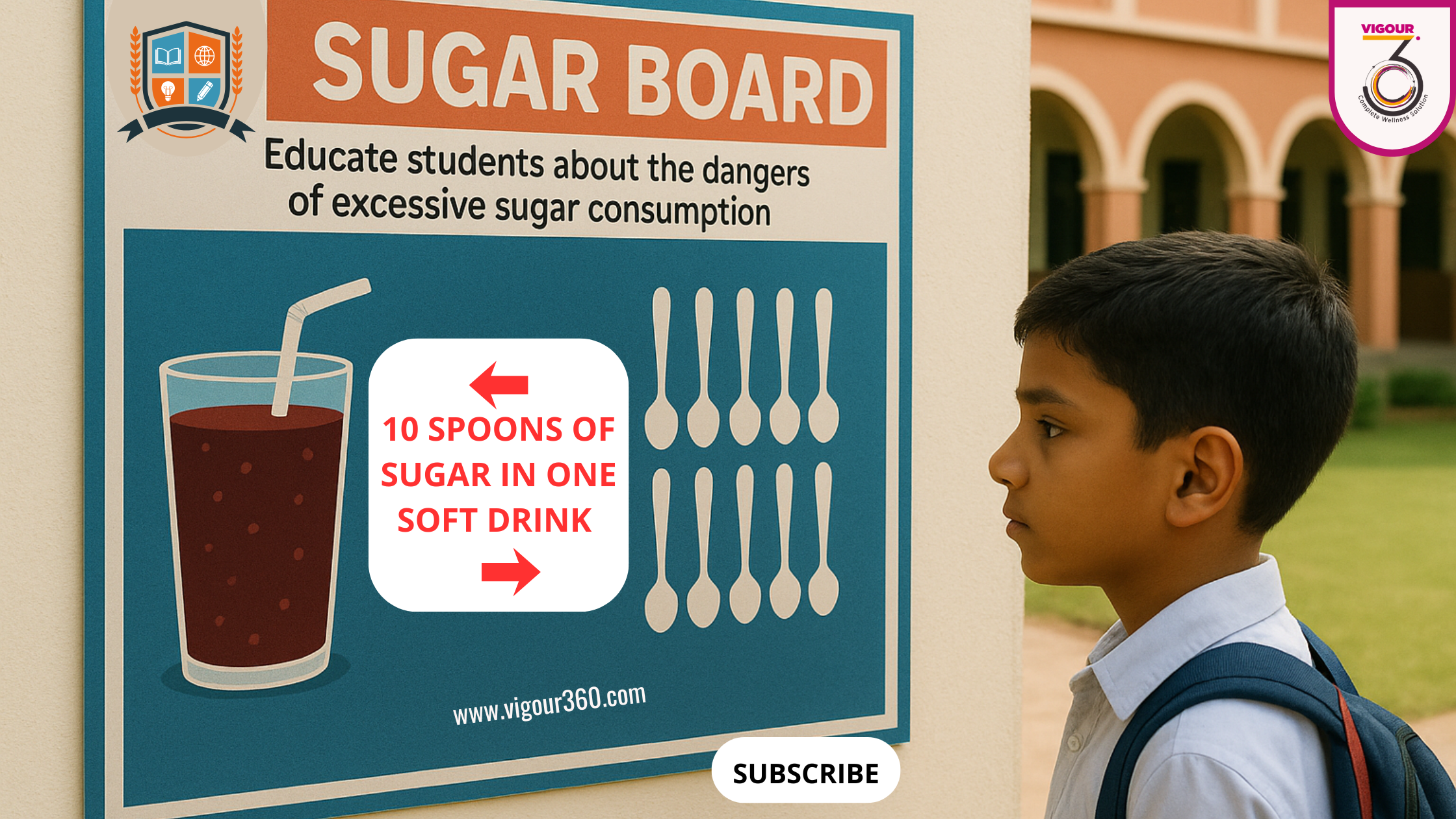
Comments (0)