When we hear the word obesity, we often think of weight gain or changes in physical appearance. But obesity is far more than carrying extra body weight. It is a chronic condition that can affect nearly every organ in the body.
Excess body fat alters the body's normal metabolism, causes chronic low-grade inflammation, changes hormone function, and increases the workload on vital organs. These changes often begin long before any visible symptoms appear.
This is particularly concerning in children because their organs are still developing. The earlier obesity begins, the greater the risk of developing long-term health complications.
Childhood Obesity Is Increasing in India:
India has traditionally struggled with undernutrition, but today it faces a double burden of malnutrition—where undernutrition and obesity coexist.
According to the National Family Health Survey (NFHS-5), the proportion of overweight children under five has increased compared with previous survey rounds. Research has shown a steady increase in overweight and obesity among school-age children and adolescents, especially in urban areas.
Several lifestyle changes have contributed to this rise:
Increased consumption of ultra-processed foods
Sugary beverages replacing water and milk
Reduced outdoor play
More screen time
Poor sleep habits
Less physical activity
High academic pressure leading to sedentary lifestyles
Experts warn that children who develop obesity are significantly more likely to remain obese as adults, increasing their lifetime risk of chronic diseases.
Why Does Obesity Affect the Entire Body?
Many people think fat simply sits under the skin, but obesity is a systemic condition. In reality, body fat is biologically active tissue and affects hormonal regulation, metabolism, circulation as well as liver function.
Fat cells produce hormones, inflammatory proteins, and chemical messengers known as adipokines. When body fat increases excessively, these substances begin disrupting normal body functions.
This leads to:
Chronic inflammation
Insulin resistance
Hormonal imbalance
Increased blood pressure
Abnormal cholesterol levels
Damage to blood vessels
These changes affect almost every organ system. Abdominal fat is the most dangerous fat. Large waist circumference is one of the clinical markers for abdominal fat.
1. Heart: Working Harder Every Minute
The heart supplies oxygen-rich blood to every part of the body. With obesity, the body requires more blood flow, forcing the heart to pump harder.
Over time this may result in:
Elevated blood pressure
Increased cholesterol
Thickening of the heart muscle
Early damage to blood vessels
Although heart attacks rarely occur in childhood, cardiovascular changes often begin years before symptoms appear.
Did you know?
Studies show that childhood obesity can accelerate the development of atherosclerosis—the gradual narrowing of arteries that increases the risk of heart disease later in life.
Impact of fat on heart
2. Liver: Fat Accumulates Long Before Symptoms Appear
The liver plays a central role in digestion, metabolism, and detoxification.
In children with obesity, excess fat can accumulate inside liver cells, leading to Metabolic Dysfunction-Associated Steatotic Liver Disease (MASLD), previously known as Non-Alcoholic Fatty Liver Disease (NAFLD).
Many children experience no symptoms, making regular health checkups in children especially important.
If untreated, fatty liver disease may progress to:
Liver inflammation
Fibrosis (scarring)
Cirrhosis in severe cases
MASLD is now one of the most common chronic liver diseases among children worldwide.
3. Pancreas: The Beginning of Type 2 Diabetes
The pancreas produces insulin, the hormone that controls blood sugar.
As body fat increases, the body's cells become less responsive to insulin—a condition called insulin resistance.
To compensate, the pancreas works harder by producing more insulin.
Eventually, this extra demand may overwhelm the pancreas, increasing the risk of:
Prediabetes
Type 2 diabetes
Metabolic syndrome
Type 2 diabetes, once considered an adult disease, is now increasingly diagnosed in adolescents.
4. Brain: More Than Memory and Learning
Emerging research suggests obesity may influence brain health through inflammation and altered metabolism.
Children with obesity may experience:
Reduced concentration
Lower attention span
Difficulty with executive functioning
Emotional stress
Anxiety
Depression
Sleep disturbances caused by obesity can further affect learning, behavior, and academic performance.
5. Lungs: Every Breath Requires More Effort
Extra fat around the chest wall and abdomen restricts lung expansion.
Children may experience:
Breathlessness during physical activity
Reduced exercise capacity
Worsening asthma symptoms
Snoring
Poor sleep quality
Some develop obstructive sleep apnea, where breathing repeatedly stops during sleep. Poor sleep also disrupts hormones that regulate hunger, making weight management more difficult.
6. Bones and Joints: Growing Under Extra Pressure
Children's bones are still developing.
Excess weight places continuous stress on:
Knees
Hips
Ankles
Spine
This may result in:
Knee pain
Flat feet
Poor posture
Reduced mobility
Higher risk of orthopedic problems
Because movement becomes uncomfortable, many children become even less physically active.
7. Kidneys: Silent but Significant Damage
The kidneys continuously filter blood to remove waste products.
Obesity increases their workload and may contribute to:
High blood pressure
Protein leakage in urine
Reduced kidney function
These changes often develop silently over many years.
8. Hormones: Disrupting Normal Growth
Body fat influences hormone production.
Excess fat may alter:
Puberty timing
Menstrual cycles
Growth hormone activity
Reproductive hormones
Girls with obesity have a higher risk of developing Polycystic Ovary Syndrome (PCOS), while boys may experience changes in testosterone levels.
9. Immune System: Constant Low-Grade Inflammation
Healthy inflammation helps the body fight infections.
Obesity creates a different type of inflammation—persistent, low-grade inflammation—that can damage tissues over time.
Researchers believe this inflammatory state contributes to:
Diabetes
Heart disease
Fatty liver disease
Metabolic syndrome
Signs Parents Should Never Ignore:
Many obesity-related conditions begin without obvious symptoms.
Consult a healthcare professional if your child has:
Rapid weight gain
Breathlessness during play
Loud snoring
Persistent tiredness
Dark patches around the neck or underarms (which may indicate insulin resistance)
Frequent joint pain
Difficulty keeping up with peers during physical activity
Elevated blood pressure
Early evaluation allows timely intervention before complications become more serious.
Myth vs Fact
Myth: Obesity only affects appearance.
Fact: It affects nearly every major organ system.
Myth: Children will naturally outgrow obesity.
Fact: Many children with obesity continue to have obesity in adulthood.
Myth: Healthy-looking children cannot have obesity-related diseases.
Fact: Conditions such as fatty liver disease and insulin resistance often develop without symptoms.
Myth: Exercise alone is enough.
Fact: Healthy nutrition, adequate sleep, reduced screen time, and physical activity all work together to prevent obesity.
What Parents Can Do Today:
Preventing childhood obesity does not require extreme diets. Small, consistent lifestyle changes make the biggest difference.
1. Encourage Daily Movement
Children should participate in at least 60 minutes of moderate-to-vigorous physical activity every day, including active play, sports, cycling, or dancing.
2. Build Balanced Meals
Choose foods rich in nutrients, including vegetables, fruits, whole grains, pulses, dairy (when appropriate), and lean proteins. Limit sugary drinks and ultra-processed foods.
3. Reduce Screen Time
Encourage outdoor activities, hobbies, reading, and family games to reduce prolonged sitting.
4. Prioritize Sleep
Adequate sleep supports healthy growth and helps regulate hormones that control hunger and fullness.
5. Monitor Growth Regularly
Tracking a child's height, weight, and body mass index (BMI)-for-age helps identify growth patterns early. Preventive health screening every 6 months can also detect obesity-related risk factors before symptoms develop.
Frequently Asked Questions
1. Can obesity damage organs even if a child feels healthy?
Yes. Conditions such as fatty liver disease, insulin resistance, and high blood pressure often develop without noticeable symptoms.
2. Is childhood obesity reversible?
Many health risks can be reduced when healthy eating, regular physical activity, good sleep, and appropriate medical guidance are introduced early.
3. Which organ is affected first?
There is no single "first" organ. Obesity can affect the liver, pancreas, heart, blood vessels, lungs, and hormonal systems at the same time.
4. Can schools help prevent childhood obesity?
Yes. Schools can promote healthy eating, encourage physical activity, provide health education, and support preventive health screening as part of a comprehensive approach to child health.
Conclusion
Childhood obesity is not simply about excess weight—it is a condition that affects the heart, liver, pancreas, lungs, kidneys, brain, bones, hormones, and immune system. Many of these changes begin silently, making awareness and early prevention essential.
Healthy eating, daily physical activity, sufficient sleep, reduced screen time, and regular health monitoring can significantly reduce the risk of obesity-related complications. By working together, families, schools, and preventive health screening with advanced technology can help children build healthier habits that last a lifetime.



 Parent Login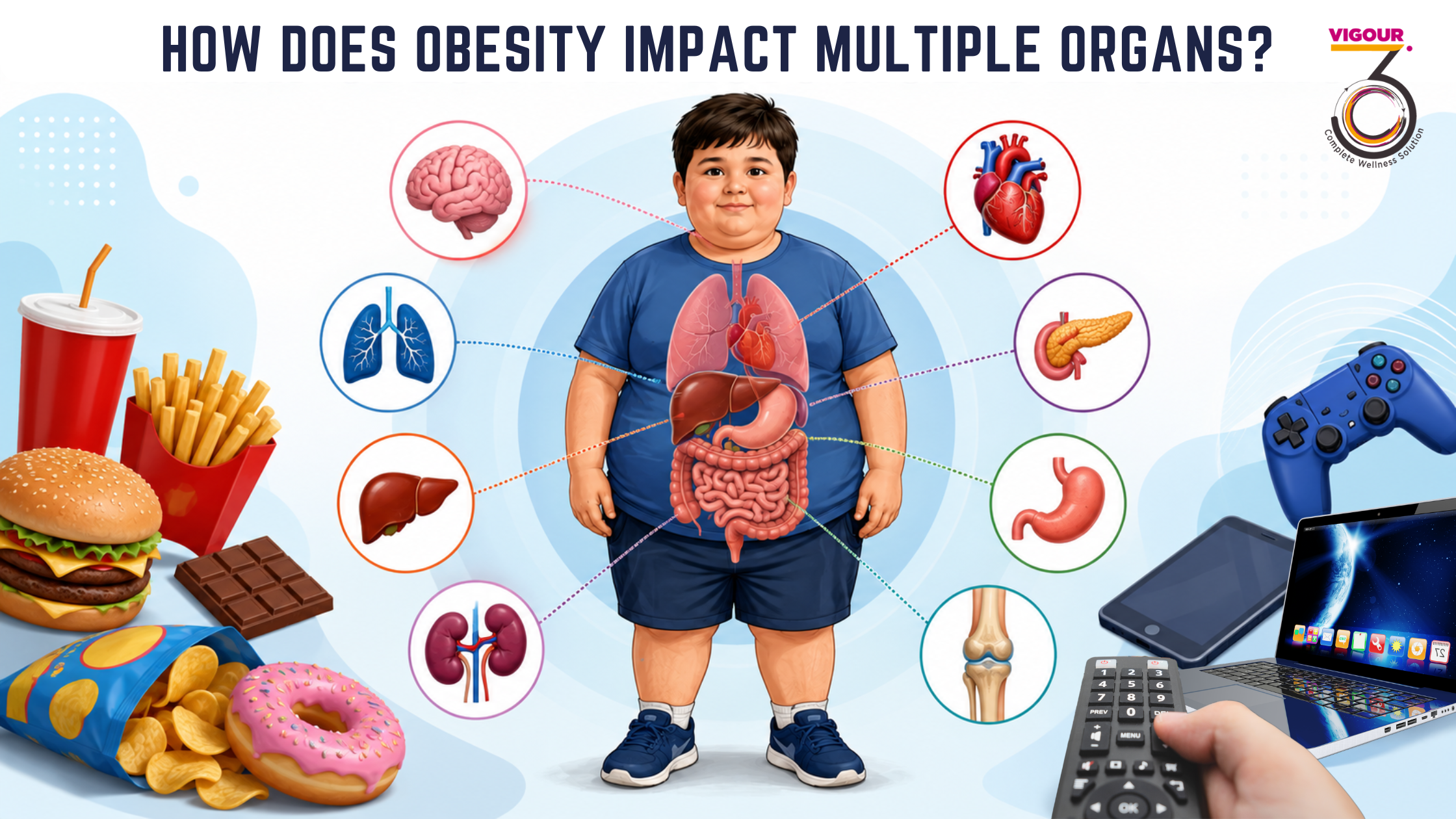
.png)
Comments (0)