The arrival of AI-powered tools, interactive learning platforms, and smart devices has transformed how children explore knowledge. For young learners aged 3 to 8, technology can be an incredible catalyst for creativity, literacy, and early cognitive development. Yet this is also a sensitive developmental window — a time when habits, attention patterns, emotional skills, and social behaviours are still forming.
This creates an important question for modern parents and schools:
How do we allow children to enjoy the benefits of educational tech and AI tools, without falling into the trap of screen addiction or unhealthy digital dependency?
This blog explores practical, research-backed solutions that help families and schools maintain the right balance.
Why AI & EdTech are valuable for children?
Technology, when used wisely, can significantly strengthen learning outcomes. Today’s AI-powered educational tools offer benefits that weren’t possible a decade ago.
1. Personalized learning at the Child’s Pace:
AI platforms adapt to each learner’s strengths and weaknesses. It offers customized practice in reading, math, comprehension, or problem-solving. This personalized approach helps children stay engaged and learn new things at the same time.
2. Support for diverse learning needs:
AI-based early screening tools can detect risks of learning disabilities, speech delays, or comprehension gaps at a much earlier stage. Interactive apps also help children who need extra support in reading, phonics, or language development.
3. Early exposure to Digital Literacy:
Technology helps children build future-ready skills — creativity, logic, coding basics, and digital awareness. Controlled exposure helps children understand that technology is a tool, not entertainment alone.
The hidden risks: Overexposure, Addiction & Developmental challenges:
As powerful as technology is, research shows that excessive screen time can interfere with healthy development. Children between 3 and 8 are highly vulnerable to patterns that become long-term habits.
1. Screen overload & attention issues:
Unsupervised screen use increases the risk of:
- Sleep disturbances
- Poor impulse control
- Difficulty focusing
- Tantrums when devices are removed
Young children’s brains are especially sensitive to rapid digital stimulation, making balance essential.
2. Decline in outdoor play & physical movement:
Too much screen time reduces opportunities for:
- Motor skill development
- Active play
- Hand-eye coordination
This also increases early risk of digital myopia, posture issues, and reduced physical fitness.
3. Unsafe digital exposure:
Unfiltered online content, ads, pop-ups, and links can expose children to elements they are not prepared to handle. Even “child-friendly” apps are not always free of inappropriate content.
4. Reduced real world social skills:
Children learn empathy, humor, negotiation, and communication through real interactions — not screens. Overuse of devices can delay social–emotional development.
Expert Guidelines: What does developmental science recommend?
1. Age-appropriate screen time:
According to WHO and AAP guidelines for 3–8-year-olds:
- 1 hour of high-quality screen time per day is ideal.
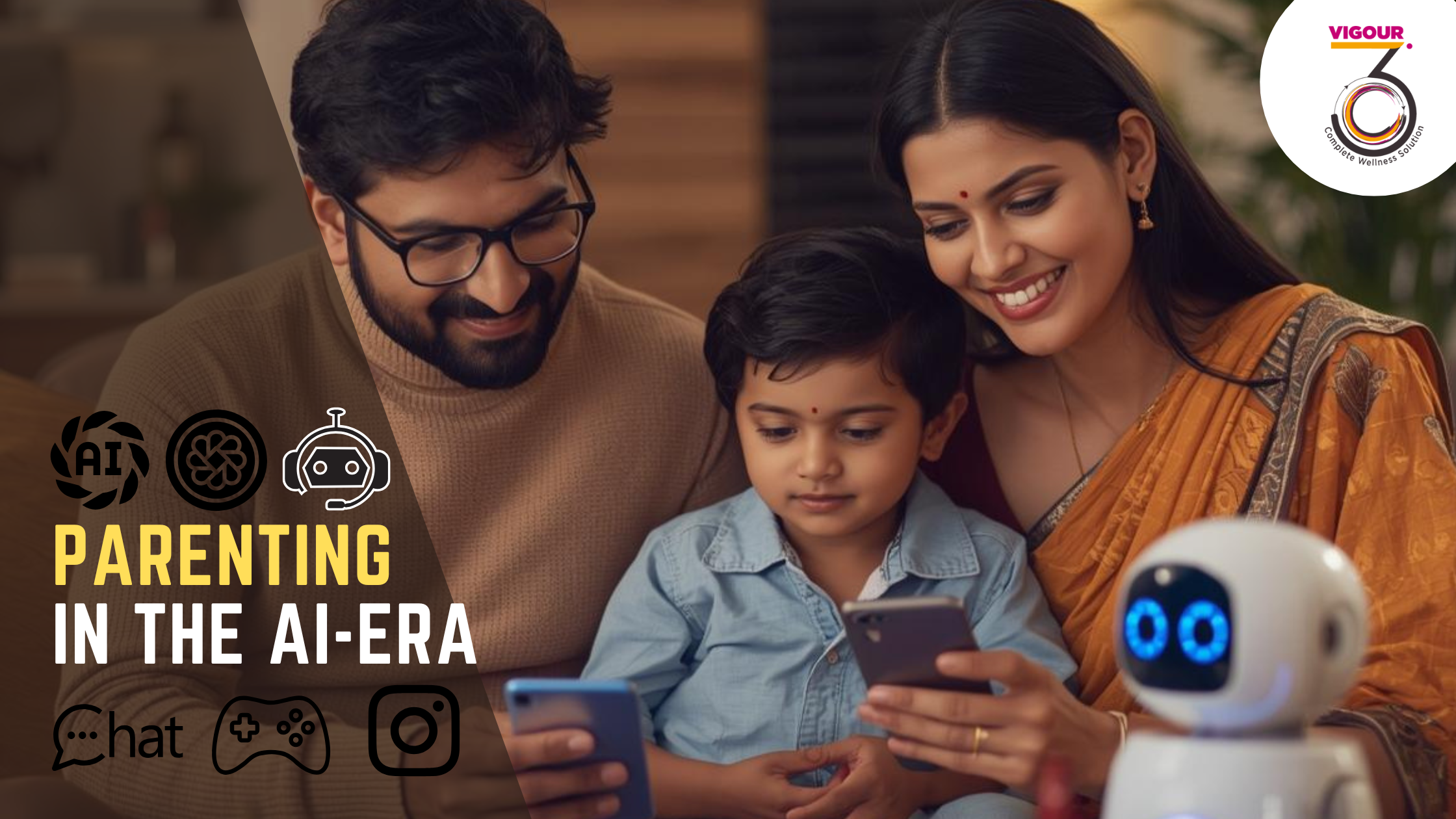
- Co-viewing with parents improves comprehension and reduces risks.
- Focus on interactive and educational content, not passive watching.
2. Prioritize active over passive tech use:
Choose apps that encourage thinking, problem-solving, reading, creativity, or physical activity.
Avoid apps that rely on rapid scrolling or endless entertainment loops.
3. Device-Free Zones:
Creating tech-free spaces sends a clear message:
- No devices during meals
- No screens in the bedroom
- Family time stays gadget-free
Smart strategies for parents: creating a balanced “Tech Diet”:
A tech diet works like a food diet — the right portion, at the right time, with the right quality.
1. Set clear tech boundaries:
Use parental controls to limit usage, block harmful content, and set daily screen windows.
Examples:
- 30 minutes after homework
- 30 minutes of educational apps in the evening
- No screens 1 hour before bedtime
2. Model healthy technology habits:
Children do what they see. Reduce your own device use during family time. Show children that digital life and real life can coexist peacefully.
3. Encourage mindful tech use:
Teach children to pause and think before clicking a link or opening a new video.
Turn tech time into creation, not consumption — drawing apps, storytelling tools, problem-solving games, music creation.
4. Strengthen offline habits:
Balance digital learning with:
- Reading physical books
- Arts and crafts
- Outdoor games
- Board games
- Household responsibility tasks
These activities improve emotional control, attention span, and creativity.
How schools can support healthy tech use?
Schools play a crucial role in shaping children’s digital behavior.
1. Intentional EdTech integration:
Tech should be used to support classroom goals — not replace human interaction.
A blended learning model with equal offline and online activities works best.
2. Digital safety protocols:
Schools must ensure:
- Pre-screened child-safe content
- Strict digital access controls
- Age-appropriate AI tools only
3. Teaching digital citizenship:
Children should understand:
- Online manners
- Cyberbullying
- How to protect personal information
- Responsible screen behavior
4. Parent–School collaboration:
Workshops, tech guidelines, newsletters, and open communication help families maintain consistent boundaries at home and school.
Tools, Checklists & Warning Signs for Parents:
Here are simple ways to maintain balance:
Recommended Tools
- Child-safe search engines
- Learning platforms with progress tracking
- Time limit and activity monitoring apps
Daily digital wellness checklist:
- Completed homework
- Outdoor play for at least 1 hour
- 20 minutes of reading
- Quality family interaction
- Controlled screen time with purpose
Red flags of tech overuse:
- Irritability when screens are removed
- Lack of interest in offline activities
- Poor sleep
- Sneaking devices
- Declining school performance
If these signs appear, it is time to reassess tech boundaries.
Conclusion: Technology as a Tool — Not a Distraction:
AI and digital learning tools can empower young children when used mindfully. The goal is not to remove technology but to balance it with healthy routines, physical activity, emotional connectivity, and real-world exploration.
Parents and schools must work together to create digitally-smart, emotionally-strong, and future-ready children. When used with purpose and supervision, AI becomes a powerful ally — not a threat.



 Parent Login
Comments (0)